Key Terms
- personal data
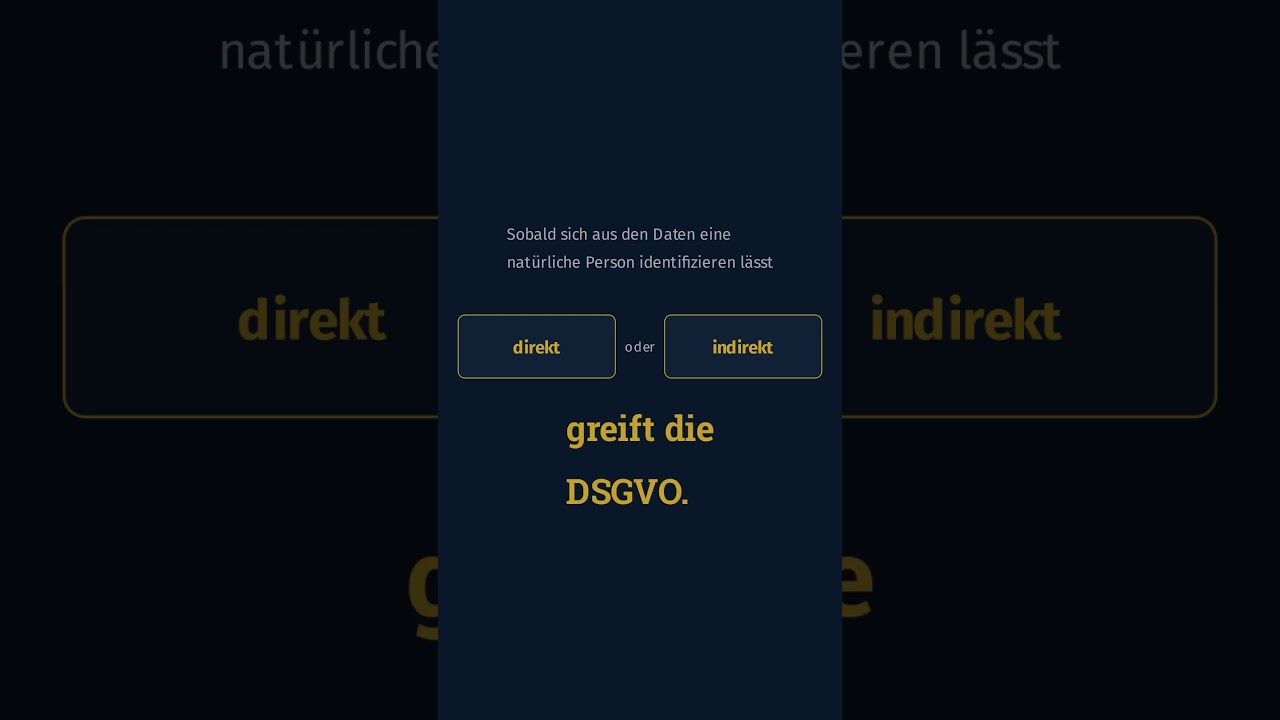
- Any information relating to an identified or identifiable natural person ('data subject'), including identifiers such as a name, identification number, location data, online identifier, or factors specific to the physical, genetic, or social identity of that person [Art. 4(1)].
- processing
- Any operation or set of operations performed on personal data, whether by automated means or not, such as collection, recording, organisation, structuring, storage, adaptation, retrieval, consultation, use, disclosure, erasure, or destruction [Art. 4(2)].
- controller
- The natural or legal person, public authority, agency, or other body which, alone or jointly with others, determines the purposes and means of the processing of personal data [Art. 4(7)].
- processor
- A natural or legal person, public authority, agency, or other body which processes personal data on behalf of the controller, bound by documented instructions [Art. 4(8)].
- personal data breach
- A breach of security leading to the accidental or unlawful destruction, loss, alteration, unauthorised disclosure of, or access to personal data transmitted, stored, or otherwise processed [Art. 4(12)].
- pseudonymisation
- Processing of personal data so that it can no longer be attributed to a specific data subject without using additional information, which must be kept separately under technical and organisational measures [Art. 4(5)].
- supervisory authority
- An independent public authority established by a Member State to monitor the application of the GDPR, in order to protect the fundamental rights and freedoms of natural persons in relation to processing [Art. 4(21), Art. 51].
?
Frequently Asked Questions
What is the difference between a controller and a processor?
A controller determines the purposes and means of processing personal data, alone or jointly with others [Art. 4(7)]. A processor processes personal data on behalf of the controller [Art. 4(8)]. The controller bears primary accountability for compliance; the processor must act only on documented instructions from the controller [Art. 28(3)(a)].
When must a Data Protection Officer be appointed?
A DPO is mandatory for public authorities (except courts acting in their judicial capacity), for organisations whose core activities require regular and systematic monitoring of data subjects on a large scale, and for organisations that process special categories of data or criminal-conviction data on a large scale [Art. 37(1)]. A group of undertakings may appoint a single DPO if that person is easily accessible from each establishment [Art. 37(2)].
What qualifies as a personal data breach?
A breach of security leading to the accidental or unlawful destruction, loss, alteration, unauthorised disclosure of, or access to, personal data that is transmitted, stored, or otherwise processed [Art. 4(12)]. Not every security incident is a personal data breach — it must involve personal data specifically.
Does the GDPR apply to companies outside the EU?
Yes. The GDPR applies to controllers or processors not established in the Union if they offer goods or services to data subjects in the EU (whether or not payment is required), or if they monitor behaviour that takes place within the Union [Art. 3(2)]. Such organisations must also designate an EU representative in writing [Art. 27(1)].
What are the requirements for valid consent under the GDPR?
Consent must be freely given, specific, informed, and unambiguous, demonstrated by a clear affirmative action [Art. 4(11)]. The controller must be able to demonstrate that consent was obtained [Art. 7(1)]. Consent must be as easy to withdraw as to give [Art. 7(3)]. For children below 16 years (or a lower age set by Member States, but not below 13), parental consent is required for information society services [Art. 8(1)].
What are special categories of personal data?
Data revealing racial or ethnic origin, political opinions, religious or philosophical beliefs, trade union membership, genetic data, biometric data for uniquely identifying a person, data concerning health, or data concerning sex life or sexual orientation [Art. 9(1)]. Processing is generally prohibited unless one of the specific exceptions in Art. 9(2) applies.
When is a Data Protection Impact Assessment required?
A DPIA is required before any type of processing that is likely to result in a high risk to the rights and freedoms of natural persons [Art. 35(1)]. It is specifically required for systematic and extensive automated evaluation including profiling with legal effects, large-scale processing of special-category data, and systematic monitoring of a publicly accessible area on a large scale [Art. 35(3)].
3
Assessment Factors & Checklist
Premium4
Questions for Your Lawyer
Premium5
Conclusion & Summary
PremiumDetailed analysis with source links.
Schalten Sie die KI-Analyse frei — mit markierten Fundstellen und direkten Links zu EUR-Lex. Kostenlos prüfen mit Scout.
Keine Kreditkarte. 50 Recherchen + 5 KI-Analysen frei.
Sources
In short — videos on this topic
60-second explainers from our YouTube channel. Click opens YouTube in a new tab — no YouTube embed, no tracking on this page.
 1:00Opens YouTube
 1:00Opens YouTube
 0:36
0:36DSGVO bei ChatGPT: Wer haftet bei einem Datenschutzverstoß?
Opens YouTube 0:58
0:58DSGVO bei ChatGPT: Was passiert mit Ihren Daten im Prompt?
Opens YouTube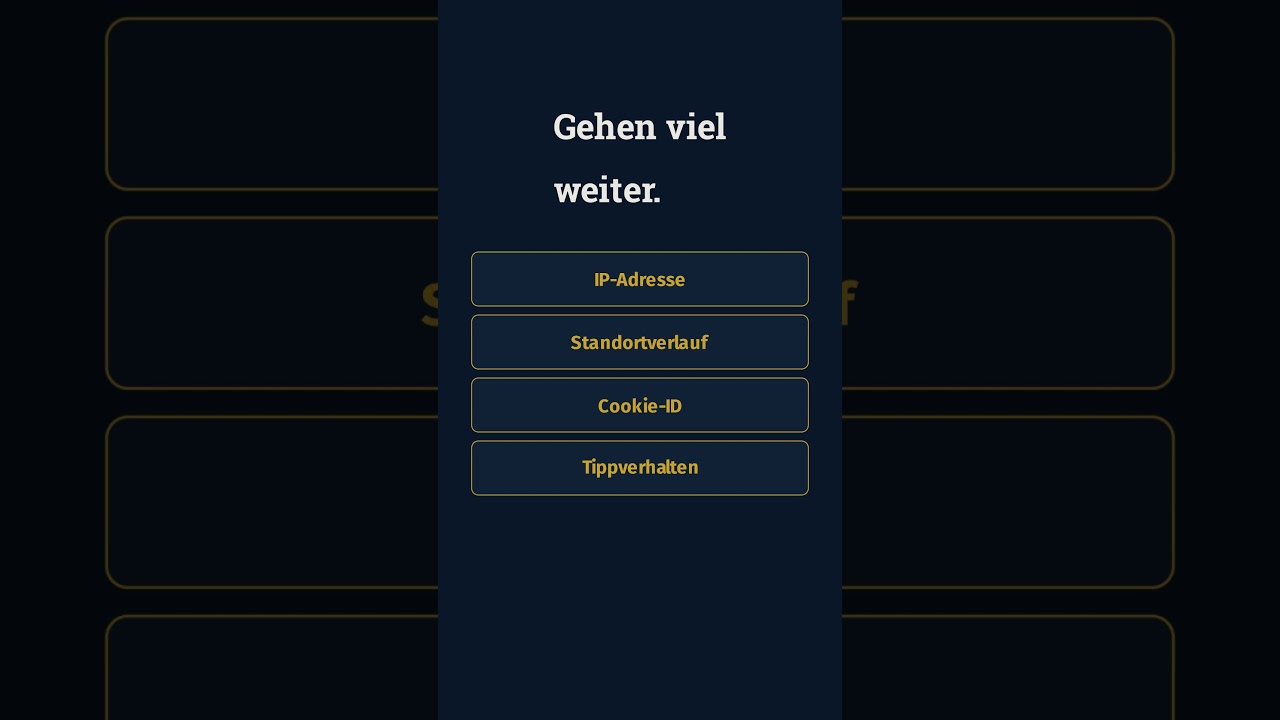 1:00Opens YouTube
 1:00Opens YouTube
 0:50
0:50KI-Tools im Unternehmen: Wer ist eigentlich verantwortlich?
Opens YouTube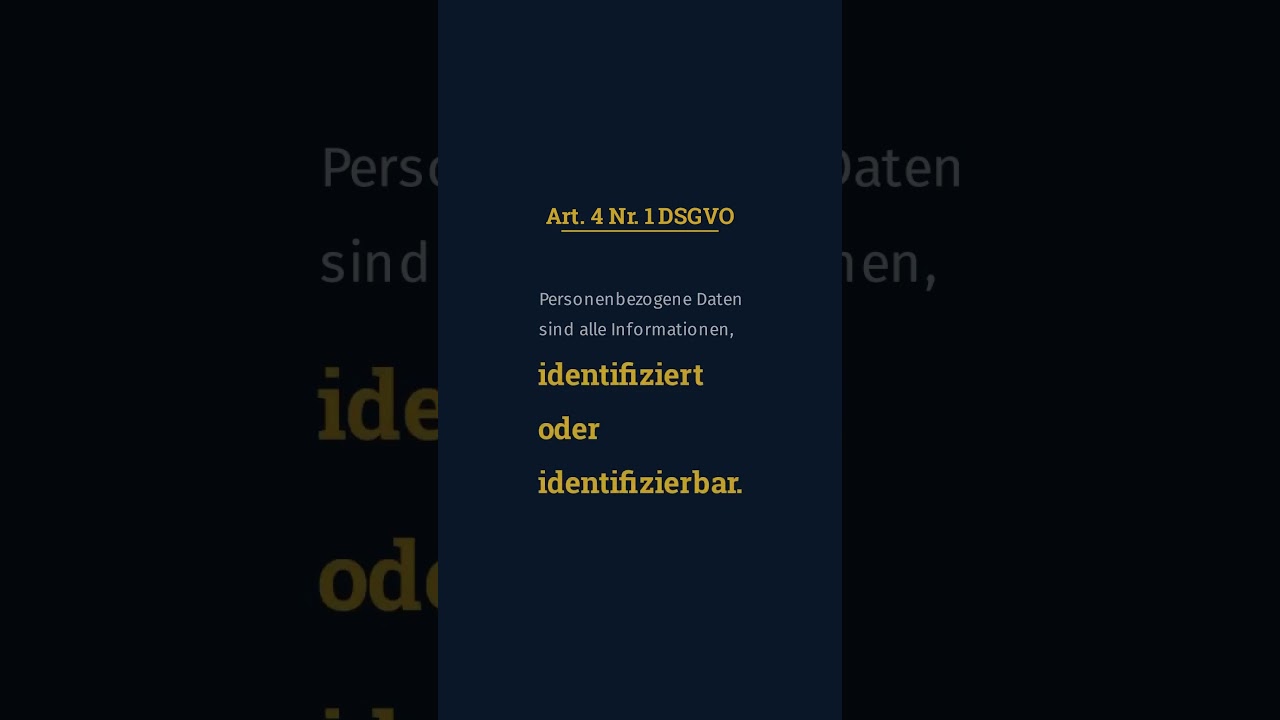 1:00Opens YouTube
 0:50
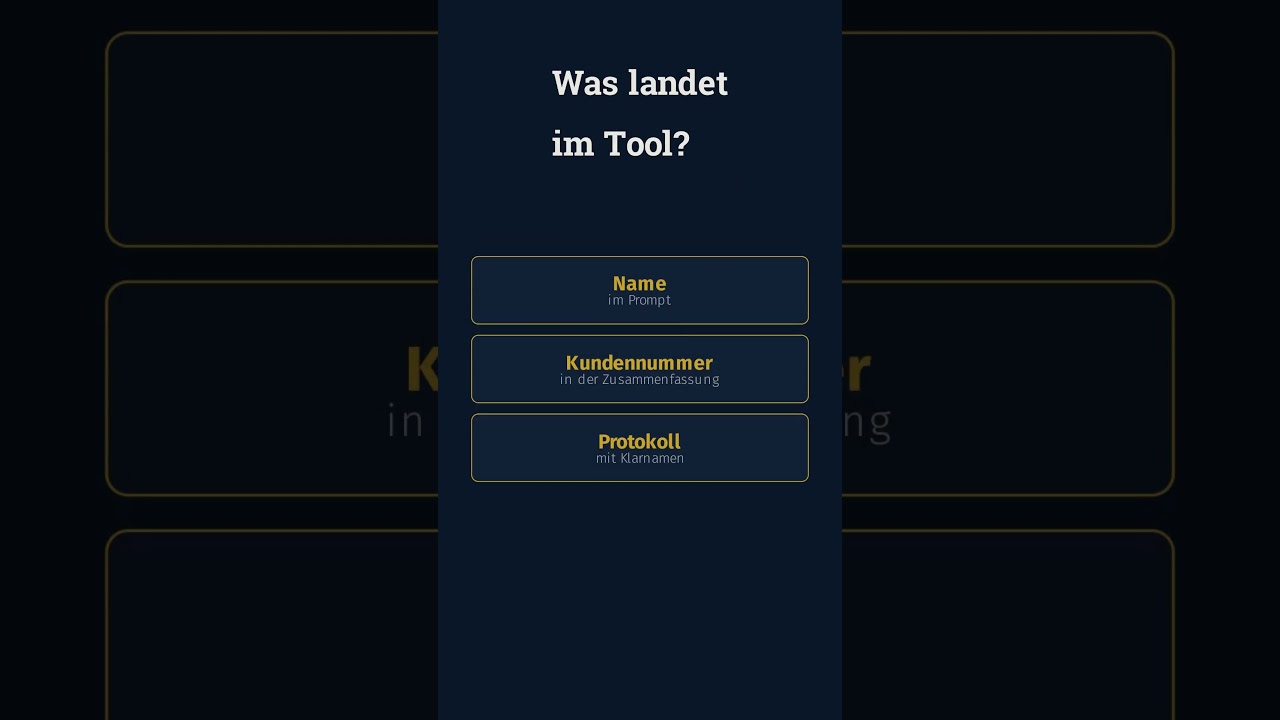
0:50DSGVO bei Copilot, ChatGPT, Notion: Wann verarbeiten Sie personenbezogene Daten?
Opens YouTube 0:51Opens YouTube
 1:00Opens YouTube
 0:47
0:47ChatGPT im Büro: KI-Frage oder DSGVO-Frage?
Opens YouTube